
What to Wear for Professional Headshots: The Complete Guide
Your headshot is often the first impression you make — on LinkedIn, your company website, or in a job application. What you wear matters more than you might think. The right outfit conveys confidence and professionalism, while the wrong one can distract from your face entirely. This guide covers everything: the best colors, outfits for men and women, industry-specific advice, and special tips for AI-generated headshots.
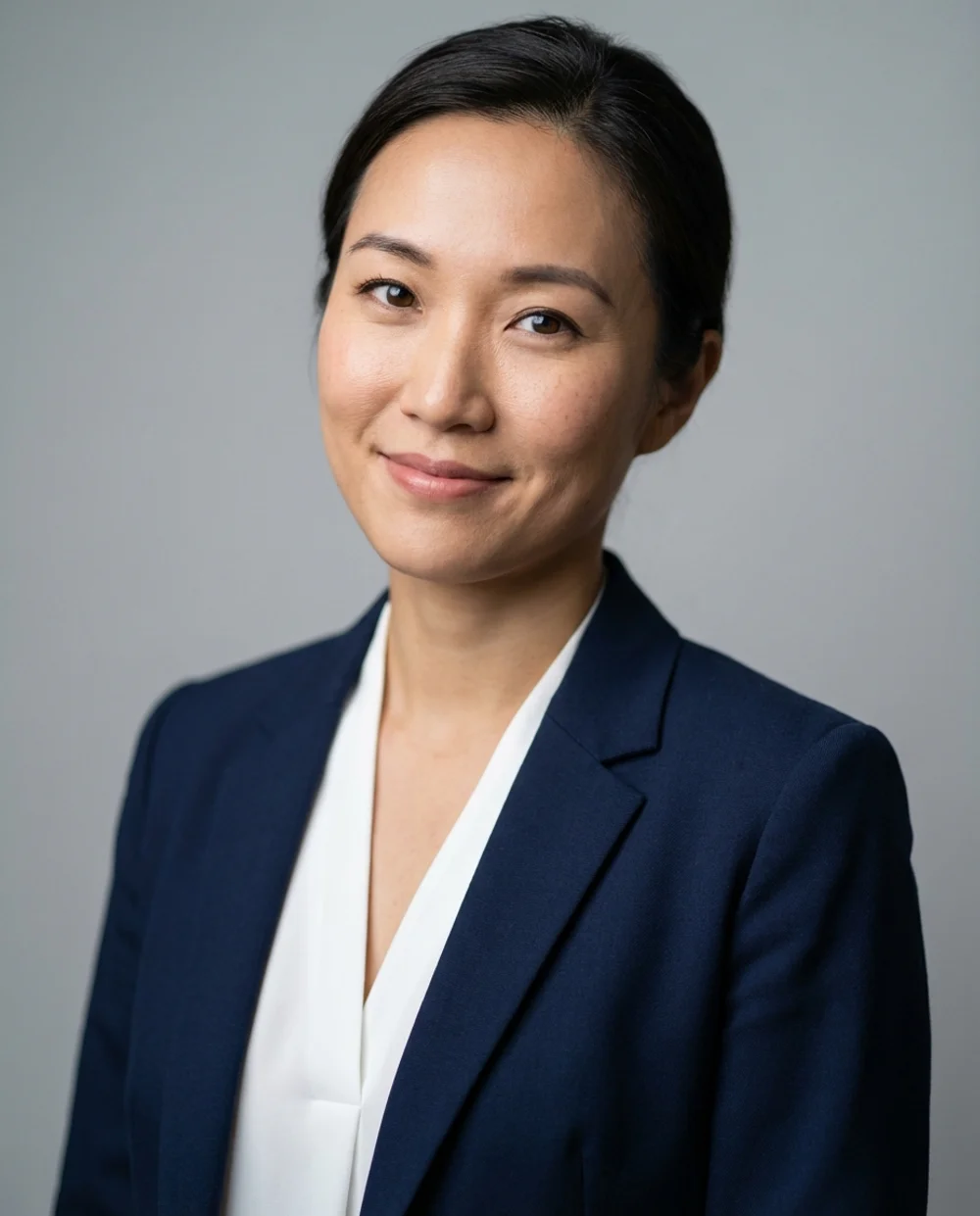
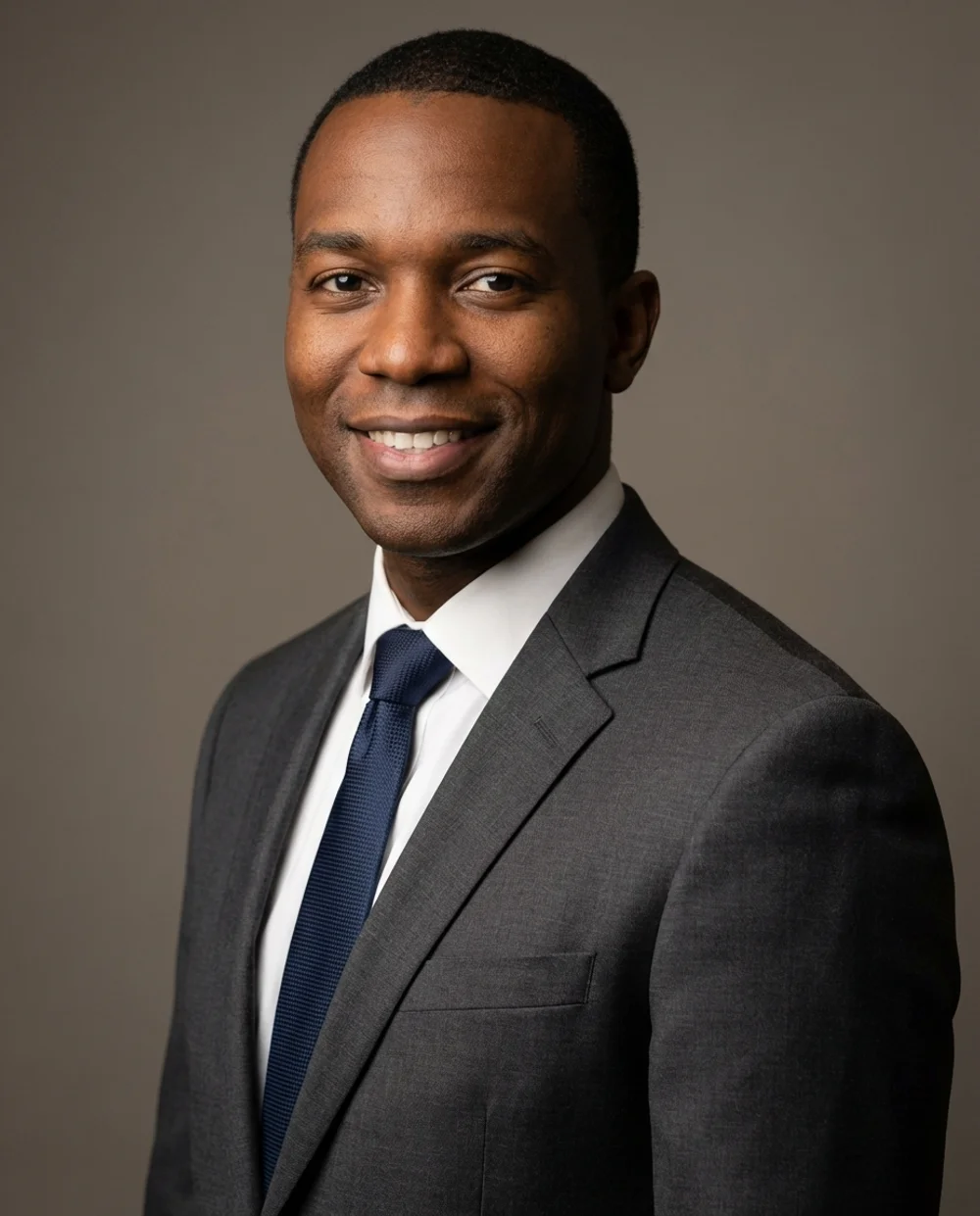
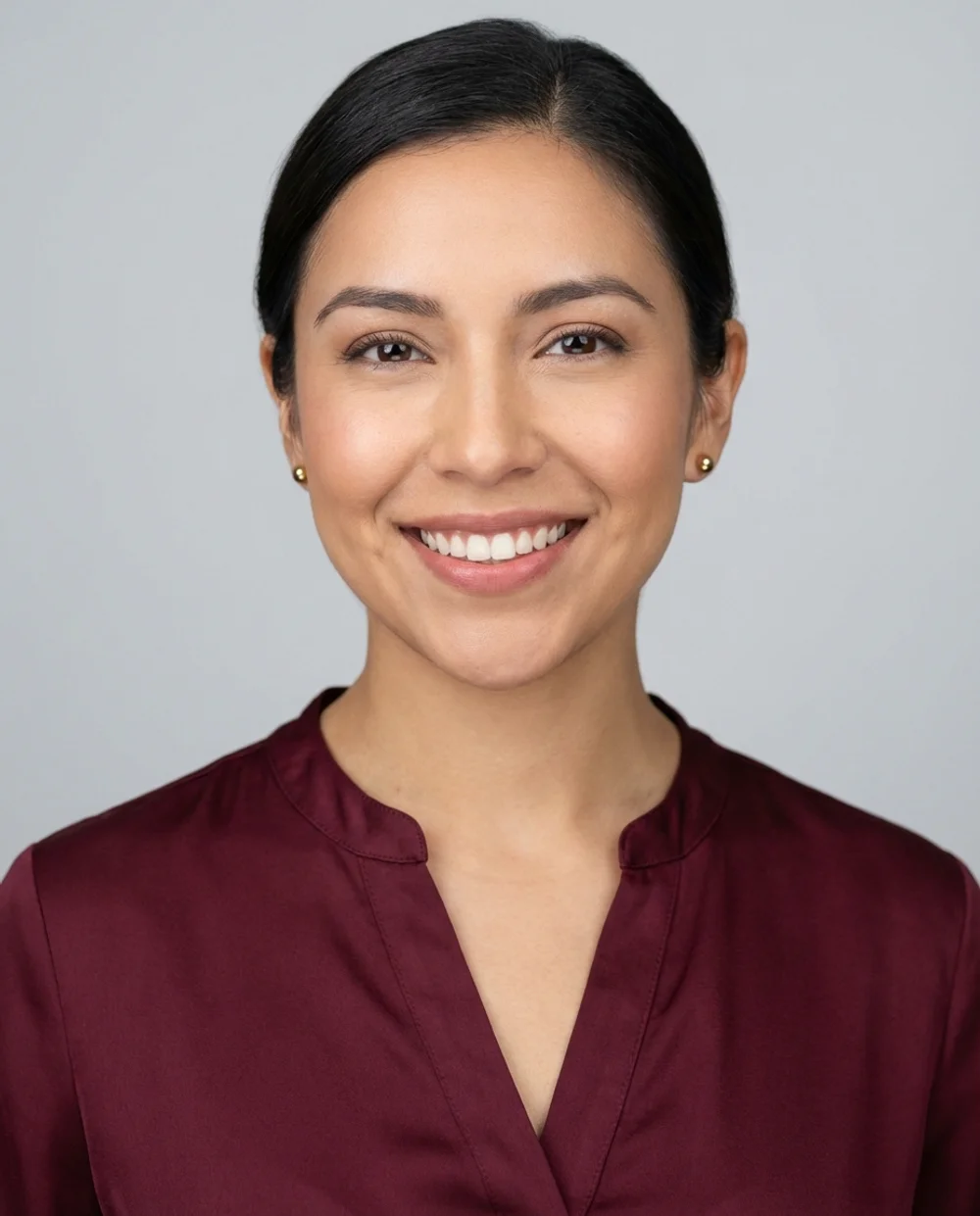
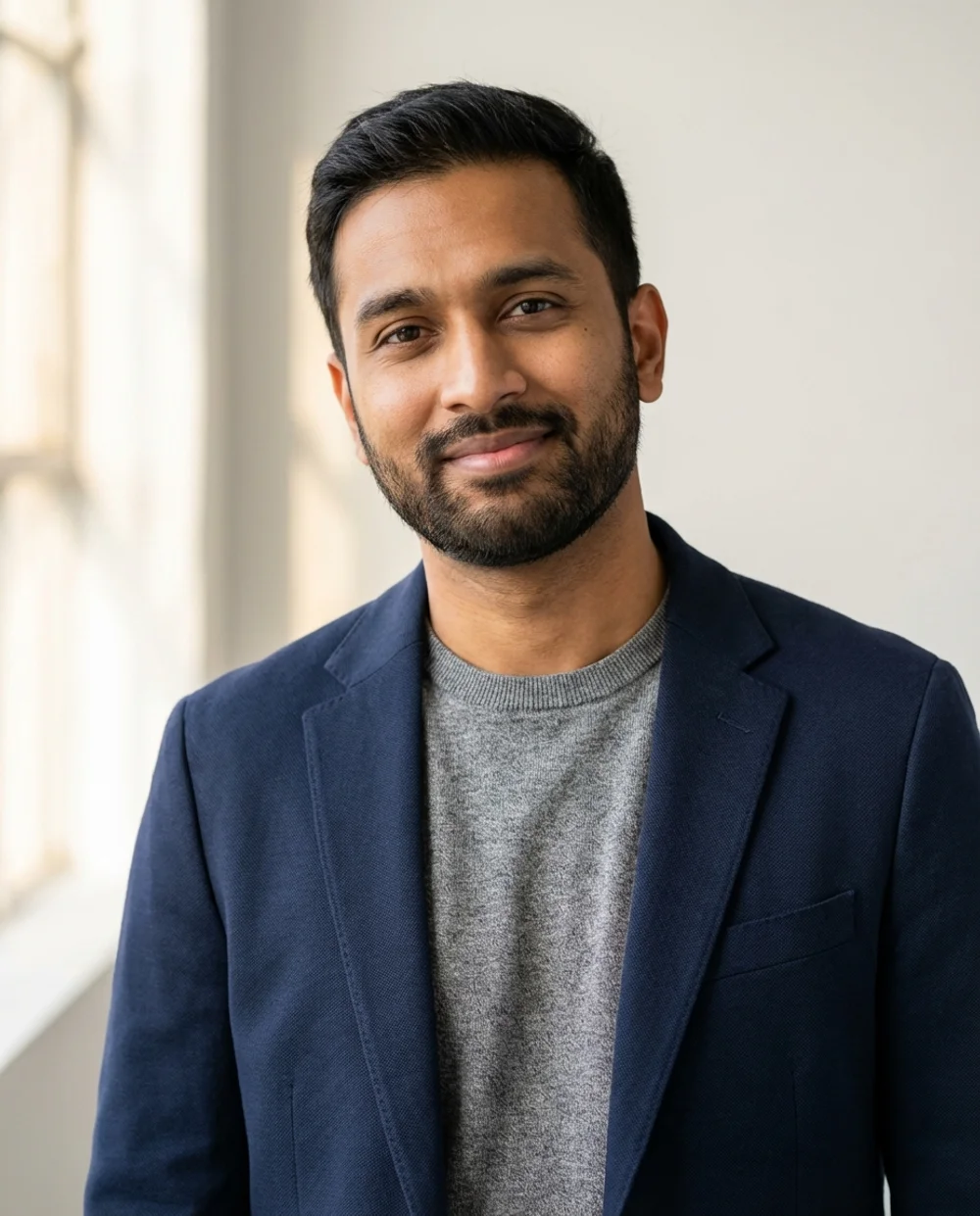
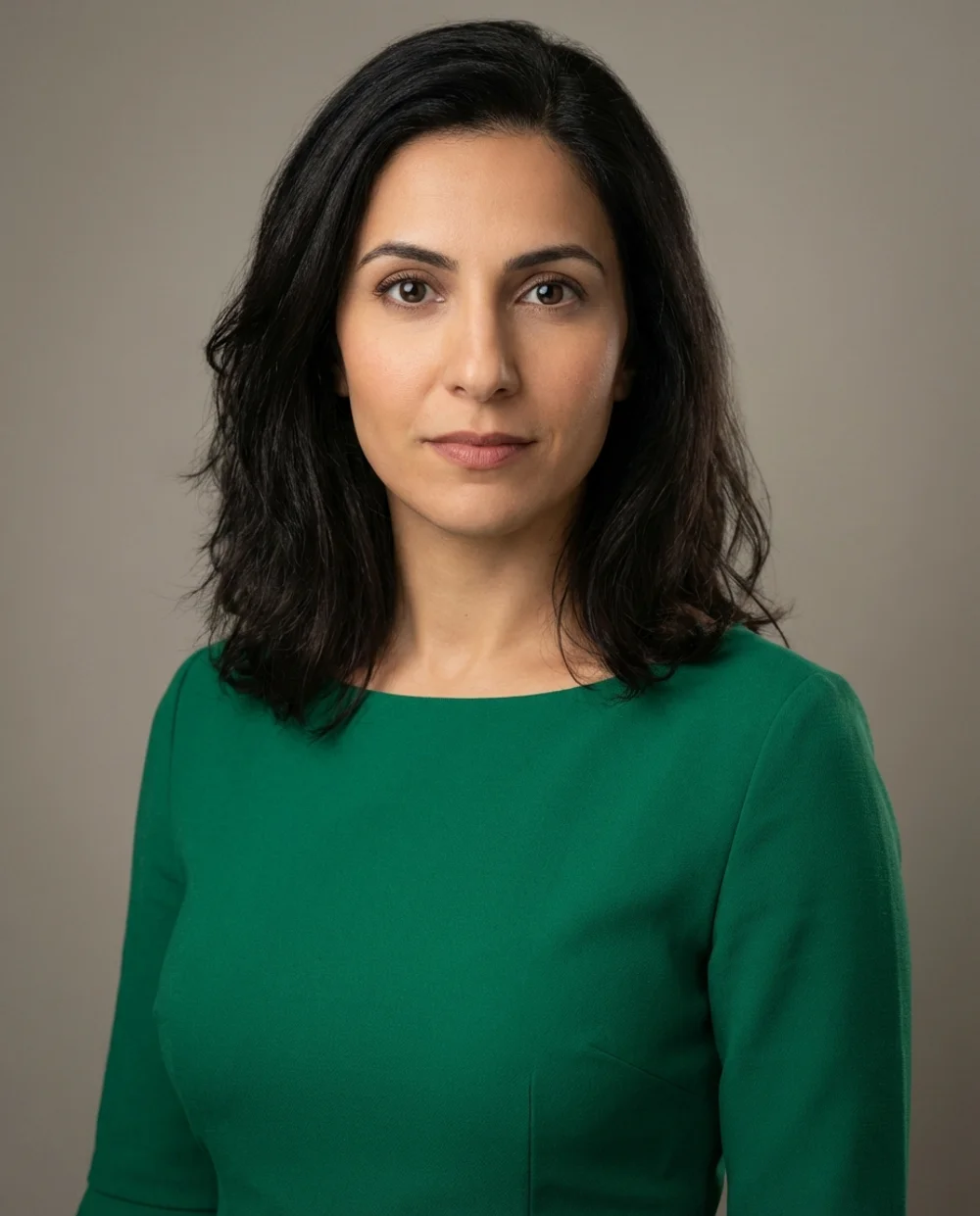
- Stick to solid colors. Navy blue, burgundy, emerald green, and charcoal gray photograph beautifully and keep focus on your face.
- Avoid patterns and logos. Stripes, polka dots, and busy prints create distracting moiré effects on camera.
- Dress for your industry. Corporate roles call for formal attire; tech and creative fields allow smart casual.
- Fit matters most. Well-tailored clothing looks professional regardless of price. Baggy or tight clothes photograph poorly.
Quick Rules: What Works and What to Avoid
Before diving into specifics, here are the universal rules that apply to every professional headshot — whether you’re a CEO or a creative freelancer.
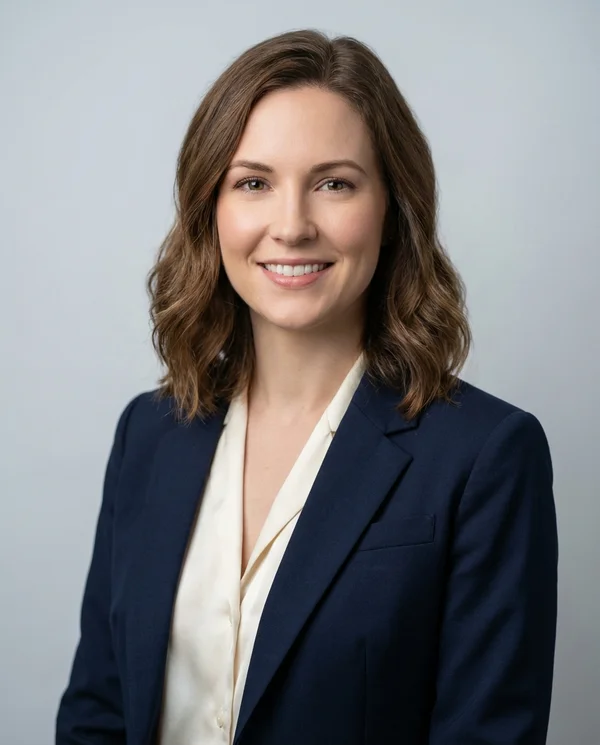
Solid colors keep focus on your face
- Wear solid, mid-tone colors
- Choose well-fitted clothing
- Pick V-neck or crew necklines
- Opt for long or 3/4 sleeves
- Layer with blazers or cardigans
- Keep jewelry minimal
- Iron everything beforehand
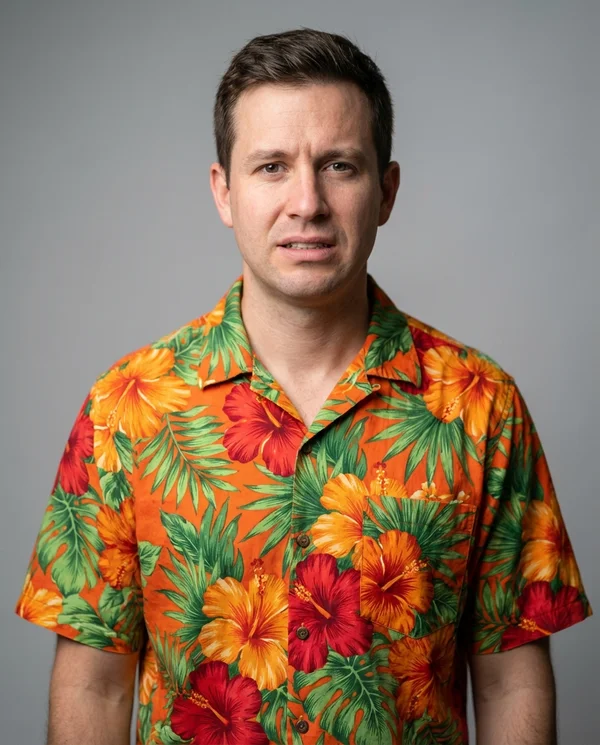
Busy patterns steal attention
- Busy patterns (stripes, polka dots)
- Neon or overly bright colors
- Logos or branded clothing
- Turtlenecks (shortens the neck)
- Shiny or sparkly fabrics
- Ill-fitting clothes (too tight/loose)
- Trendy pieces that date quickly
Tight patterns like pinstripes, herringbone, and small checks create a “moiré effect” on camera — a wavy, shimmering distortion that looks unprofessional. Even if the pattern looks fine in the mirror, it may appear distorted in your final photos.
Best Colors to Wear for Professional Headshots
Color choice is one of the most important decisions for your headshot. The right colors complement your skin tone, convey the right message, and keep focus on your face.
Colors That Work for Everyone
Navy Blue — Trust & authority. The most universally flattering color for headshots.
Burgundy — Confidence & warmth. Adds personality while remaining professional.
Emerald Green — Approachability. Particularly effective for creative industries.
Charcoal Gray — Sophistication. Ideal for corporate settings.
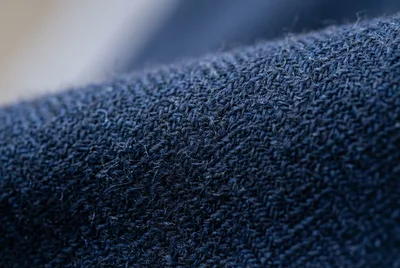
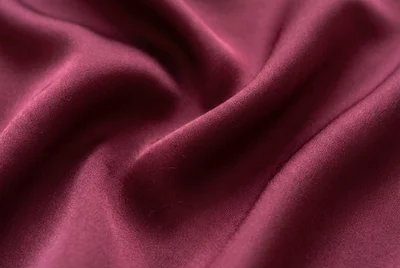
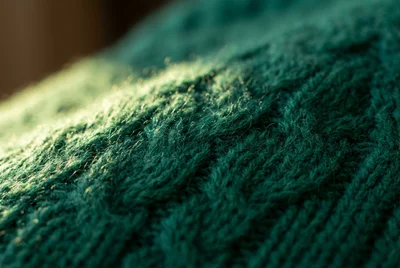
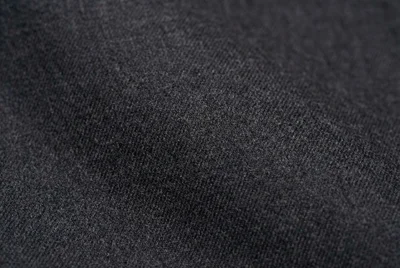

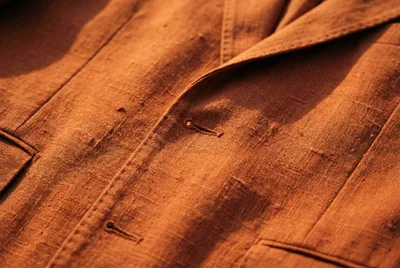
Why these colors work: Navy blue is the go-to choice for executives and politicians alike — it photographs well on all skin tones and conveys professionalism. Burgundy and emerald add personality while remaining professional, especially for creative industries. Charcoal gray offers sophistication without the starkness of black. Research in color psychology confirms that colors like blue increase trustworthiness perceptions.
Colors to Avoid
| Color | Why to Avoid |
|---|---|
| Neon colors | Reflect onto your face, creating unflattering color casts |
| Pure white | Can blow out in photos and wash out your face |
| Pale pastels | Often blend with background, making you look washed out |
| Hot pink/orange | Distracting and unprofessional in most industries |
Choosing Colors for Your Skin Tone
Warm skin tones (yellow or golden undertones): Earth tones work beautifully — camel, olive green, warm reds, rust, and terracotta. Avoid stark white and cool pastels like icy blue or lavender.
Cool skin tones (pink or blue undertones): Jewel tones are your friends — sapphire blue, emerald, plum, and true red. Avoid orange, mustard yellow, and warm browns that can clash with your complexion.
Not sure which color suits you best? Take a few selfies in natural light wearing different colored shirts. Compare them side by side — the right color will make your skin look healthier and your eyes pop.
What to Wear for Professional Headshots: Women’s Guide
From corporate boardrooms to creative studios, here’s how to dress for headshots that reflect your professional identity while looking polished and confident.
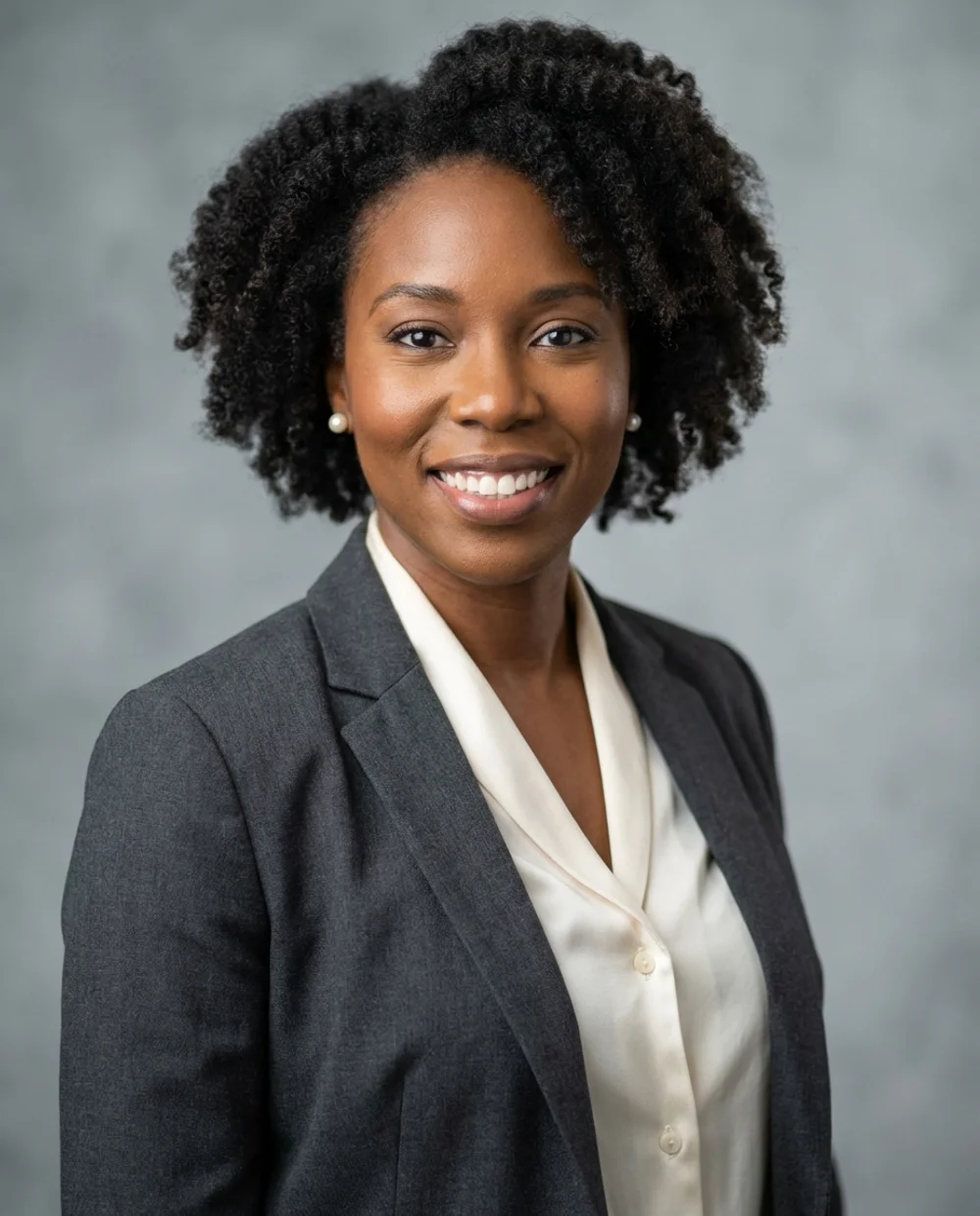
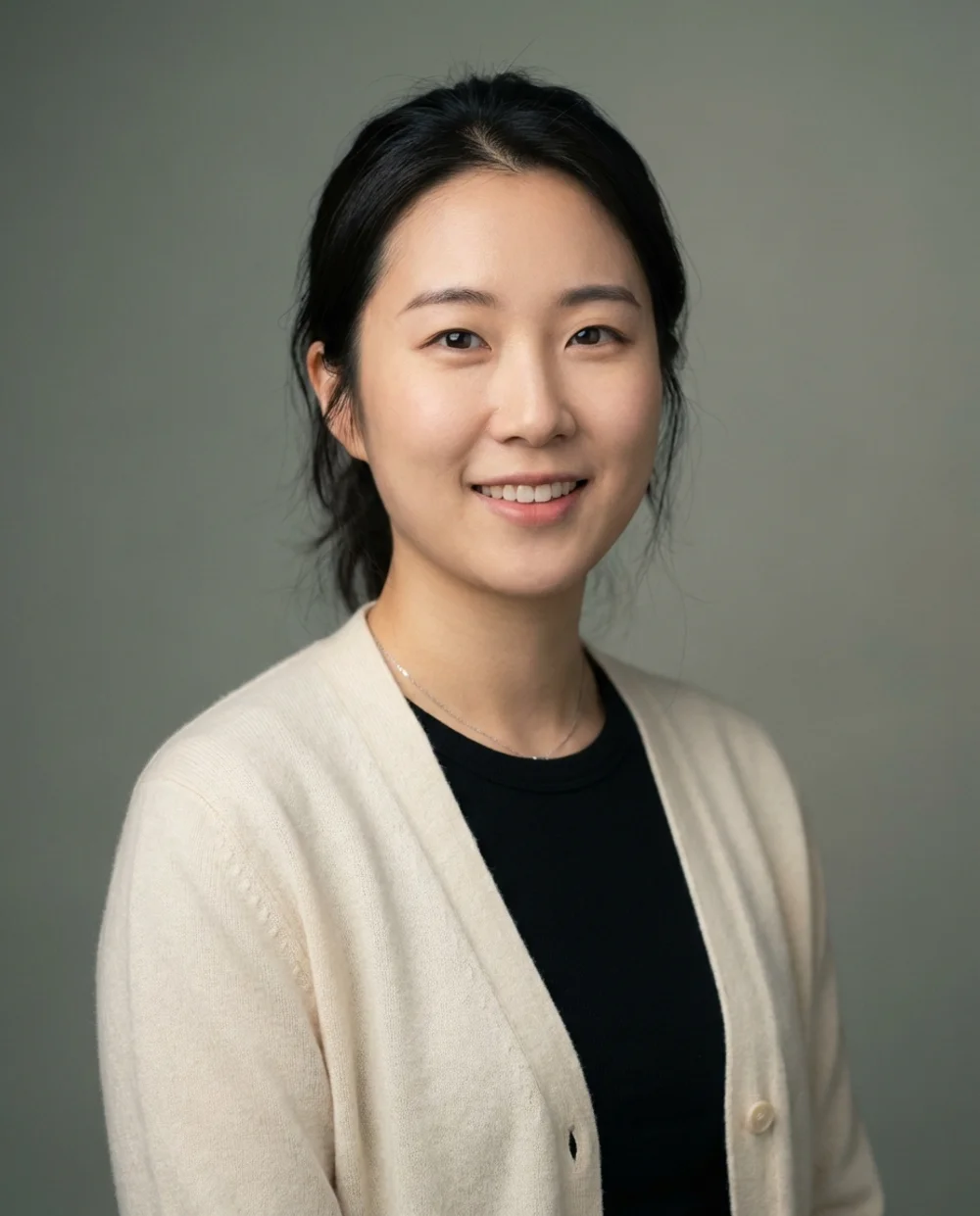
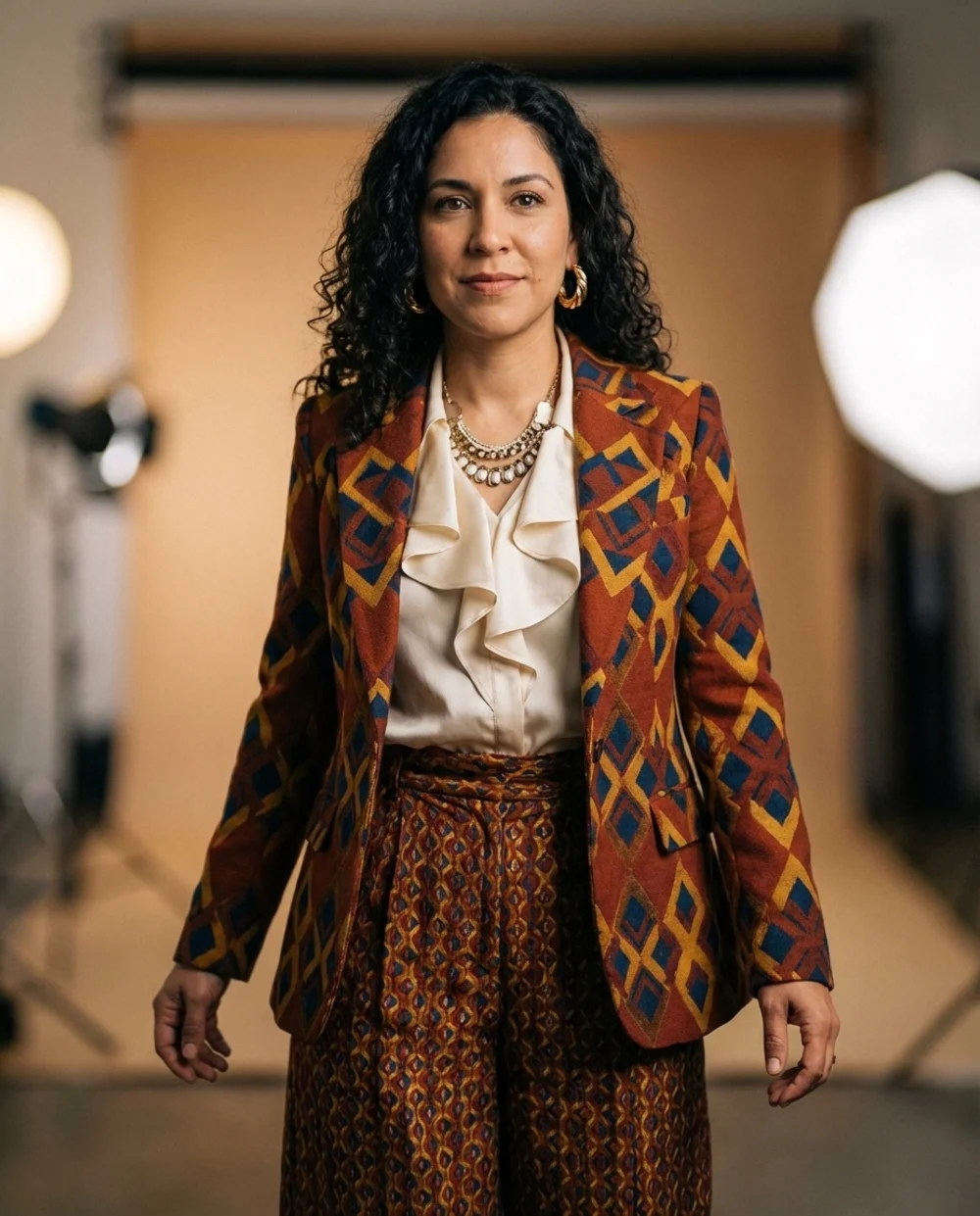
Professional & Corporate
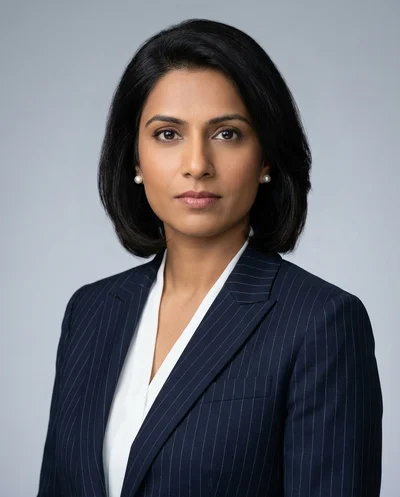
For traditional corporate environments — law, finance, consulting, healthcare leadership — aim for polished and conservative:
- Tailored blazer in navy, charcoal, or black over a solid-color blouse
- Structured dress in jewel tones with a modest neckline
- Quality knit top with clean lines and no embellishments
Stick to V-necks, crew necks, or boat necks. Avoid plunging necklines that draw attention away from your face, and skip anything with ruffles or excessive details that can look busy in photos.
Business Casual & Tech/Startup
Tech and startup environments call for approachable professionalism — you want to look competent without appearing overdressed:
- Smart cardigan or sweater in a quality fabric like cashmere or fine merino
- Silk or cotton blouse worn without a blazer
- Elevated basics — a well-made fitted t-shirt under a casual blazer
The key is looking put-together without being overdressed for the culture. Think “nice dinner out” not “board meeting presentation.”
Creative Industries
Marketing, design, media, and creative roles allow more personal expression — this is where you can let your personal brand shine through:
- Add a pop of color or interesting texture to show personality
- Statement jewelry is more acceptable (though still keep it tasteful)
- Show personality through unique silhouettes rather than busy patterns
- Consider what represents your creative aesthetic authentically
Jewelry & Accessories
Less is almost always more. Your headshot should showcase you, not your accessories.
- One simple necklace or small pendant — perfectly fine
- Small stud earrings or modest drop earrings — perfectly fine
- Dangly, sparkly, or oversized statement pieces — avoid (they catch light and distract)
- Multiple layered necklaces — avoid (too visually busy)
- Glasses — if you wear them daily, keep them; ensure no glare
Makeup Tips for Headshots
Aim for a polished, natural look that enhances your features without overwhelming them. Camera and lighting can wash out subtle makeup, so go slightly more defined than your everyday look.
- Foundation: Matte or semi-matte finish; avoid dewy or glowy products that create shine
- Eyes: Neutral tones that define your eyes, well-groomed brows, black mascara
- Lips: A shade slightly darker than your natural color; slight shimmer is OK
- Blush: A natural flush — this helps you not look flat on camera
- Avoid: Heavy contouring, dramatic smoky eyes, bold or unusual lip colors, shimmer/glitter
What to Wear for Professional Headshots: Men’s Guide
Whether you need a corporate headshot for your firm’s website or something more casual for LinkedIn, here’s how to look confident and professional.
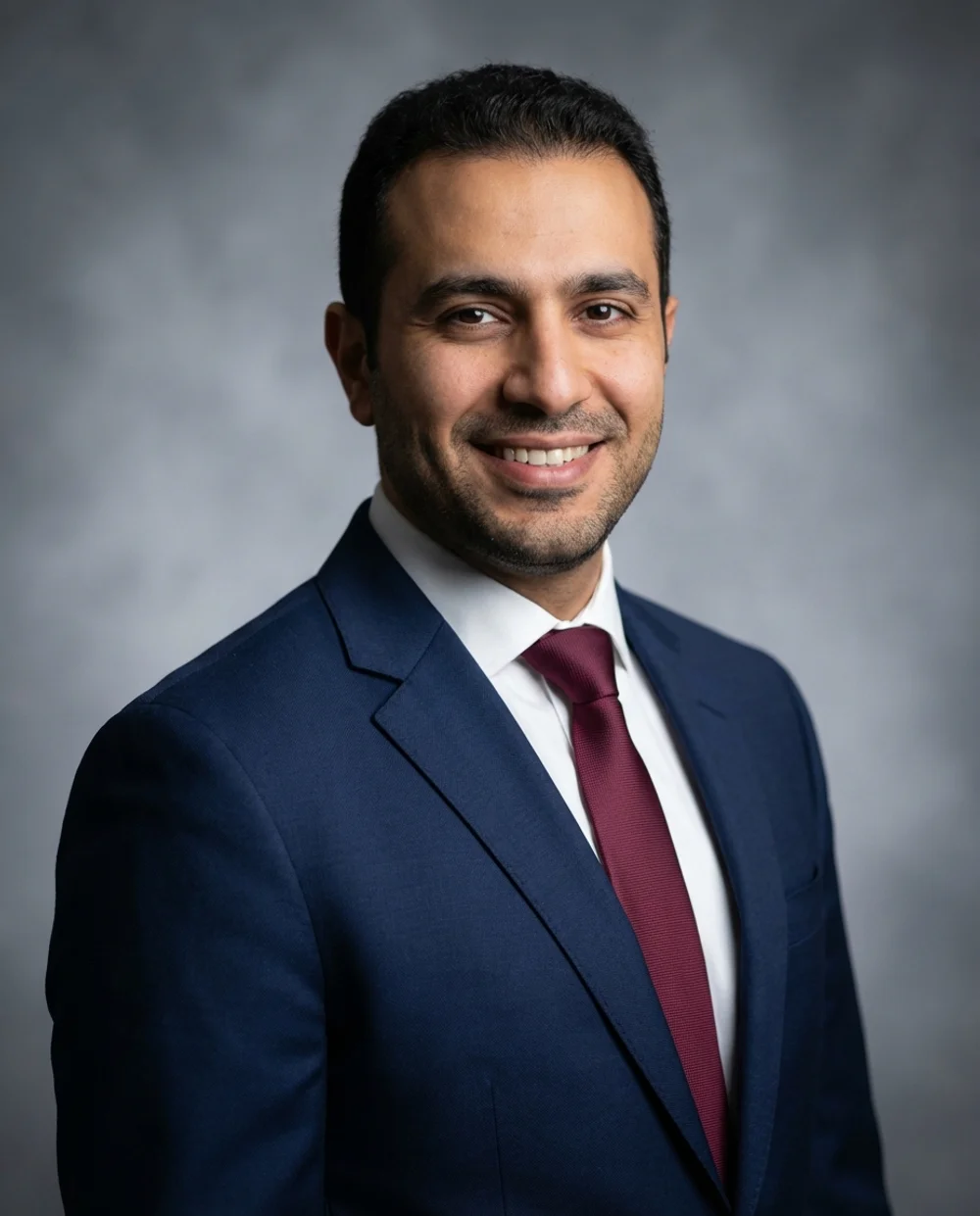
Formal & Corporate
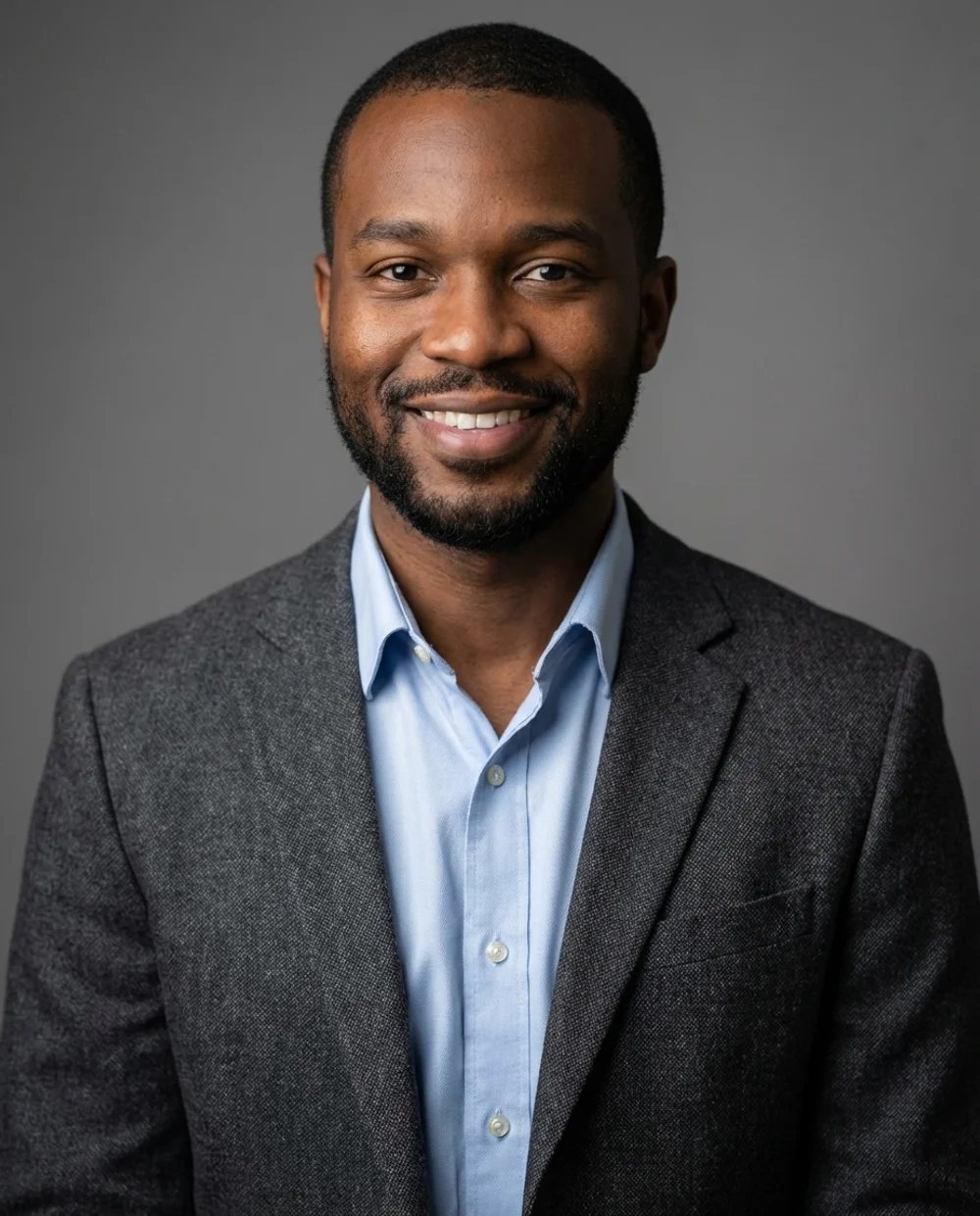
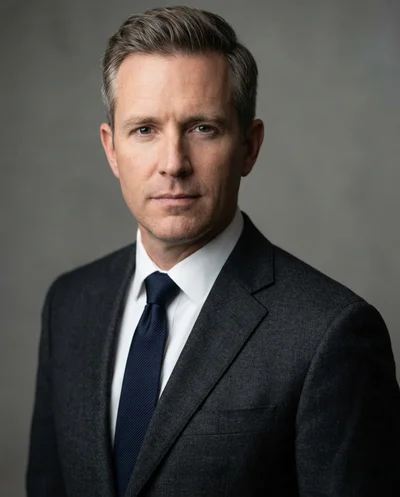
For executive roles, finance, law, and traditional corporate environments where conservative dress is the norm:
- Dark suit in navy or charcoal (avoid black — it can look too severe)
- White or light blue shirt — these photograph cleanly and brighten your face
- Tie: Optional for most industries now, but recommended for law, finance, banking
- Fit: Jacket should button without pulling; collar should lie flat against your neck
If wearing a tie, choose a solid color or subtle pattern. Avoid novelty ties, overly shiny fabrics, or anything too trendy that will date your photo quickly.
Business Casual
For most modern workplaces, tech companies, consulting, and professional services where suits aren’t required:
- Blazer with open-collar shirt — professional without being stuffy
- Quality polo in a solid color under a casual blazer
- Fine-gauge sweater over a collared shirt (crew neck or V-neck)
- Colors: Navy, charcoal, burgundy, forest green — all excellent choices
Casual & Creative
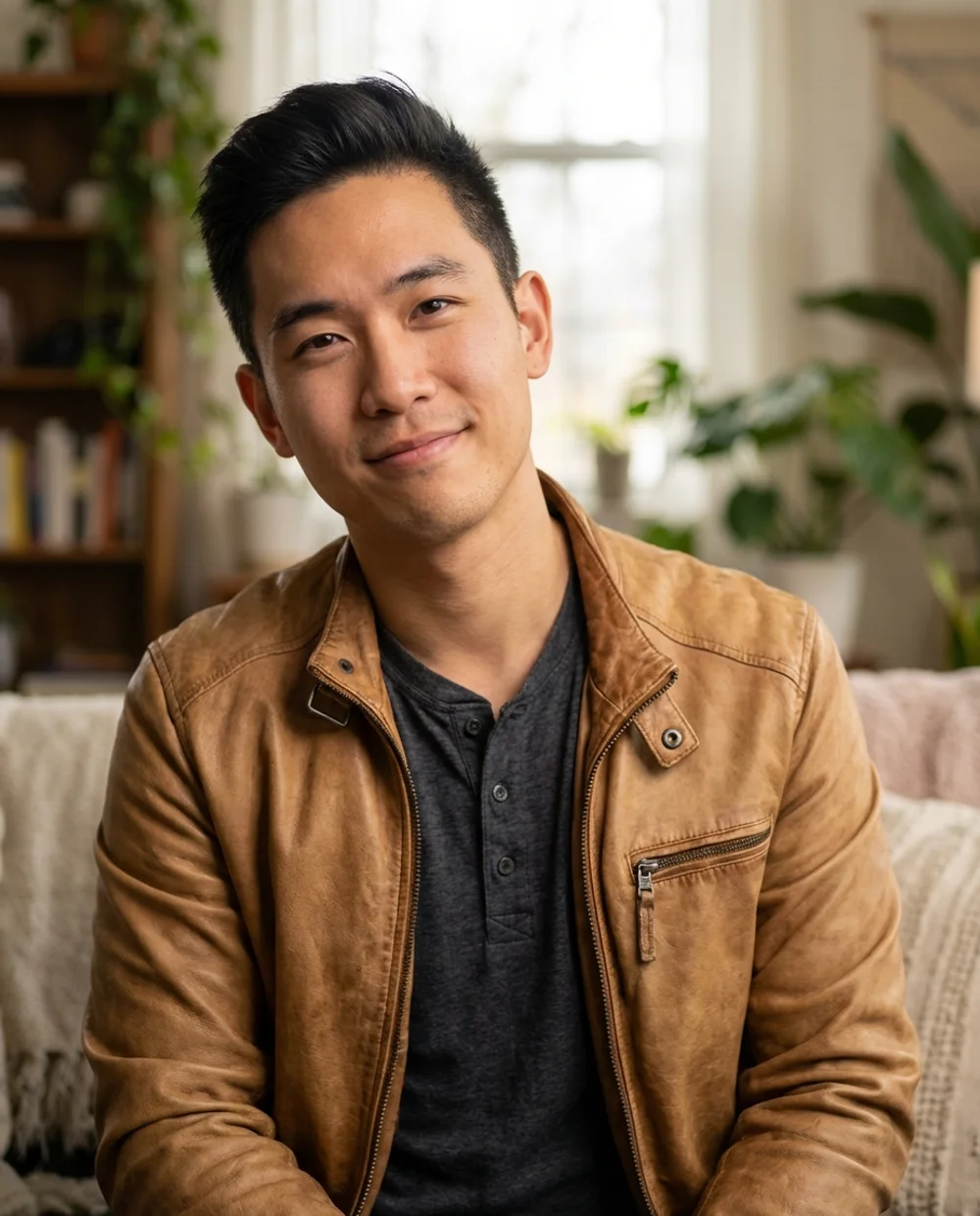
For startups, creative roles, entrepreneurs, and personal branding where approachability matters more than formality:
- Well-fitted t-shirt in a solid dark color (avoid graphics and logos)
- Leather or denim jacket for a polished casual edge
- Henley or casual button-down with sleeves rolled up
- Focus on fit and fabric quality — even casual should look intentional
Grooming Tips
- Haircut: Get it 1-2 weeks before your shoot, not the day before — let it settle and look natural
- Facial hair: Either clean-shaven or neatly trimmed and shaped — no stubble unless it’s your intentional look
- Skin: Moisturize the night before; avoid trying new products that might cause reactions
- Shine control: If you tend to get oily, bring blotting papers or ask about powder
- Eyebrows: Clean up any obvious strays — yes, this matters in close-up headshots
What to Wear Based on Your Industry
Different industries have different expectations. Here’s a quick reference guide to help you match your outfit to your field.


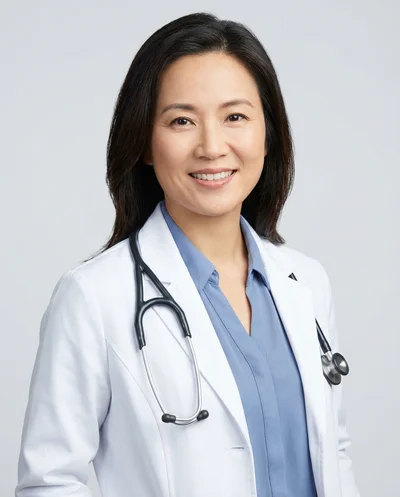

| Industry | Recommended Style | Example Outfit |
|---|---|---|
| Finance & Banking | Formal, conservative | Dark suit, white shirt, optional tie |
| Law | Traditional, authoritative | Navy or charcoal suit, conservative colors |
| Corporate | Professional, polished | Blazer with solid blouse or shirt |
| Tech & Startups | Smart casual | Quality casual + blazer, or nice sweater |
| Creative & Marketing | Personality welcome | Color pops, interesting textures, personal style |
| Healthcare | Clean, trustworthy | White coat optional; solid colors, minimal accessories |
| Real Estate | Approachable professional | Blazer, friendly colors (not too corporate) |
| Education | Approachable, trustworthy | Smart casual, warm colors, relatable look |
| Consulting | Polished, adaptable | Business professional that could work for any client |
Look at headshots on LinkedIn from successful people in your field. What are they wearing? That’s your benchmark. You can match their formality level or go slightly more polished — but don’t be drastically more casual or formal than the norm.
What to Wear for LinkedIn Headshots
LinkedIn is where first impressions happen for millions of professional relationships. Your headshot needs to work for recruiters, potential clients, colleagues, and industry peers — often simultaneously.
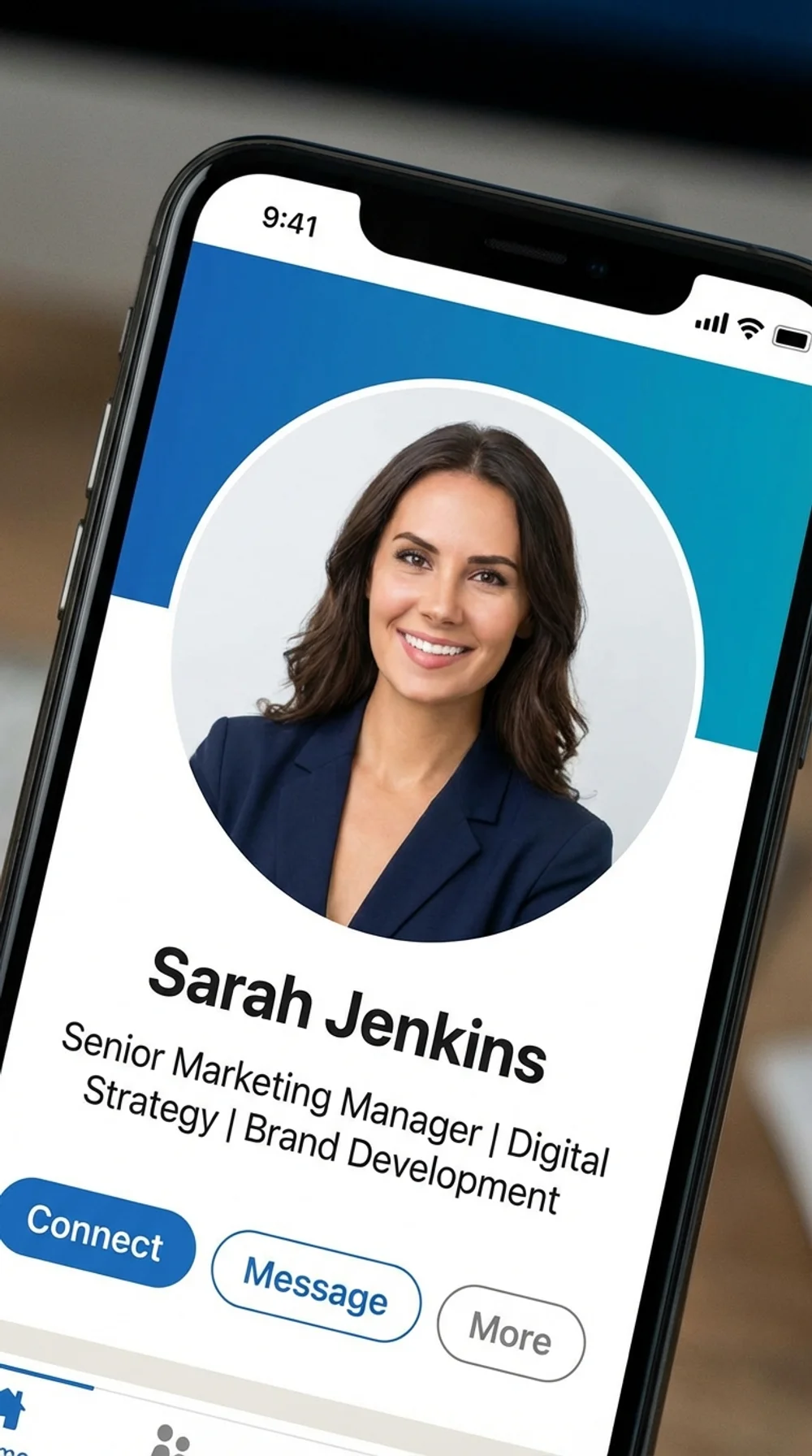
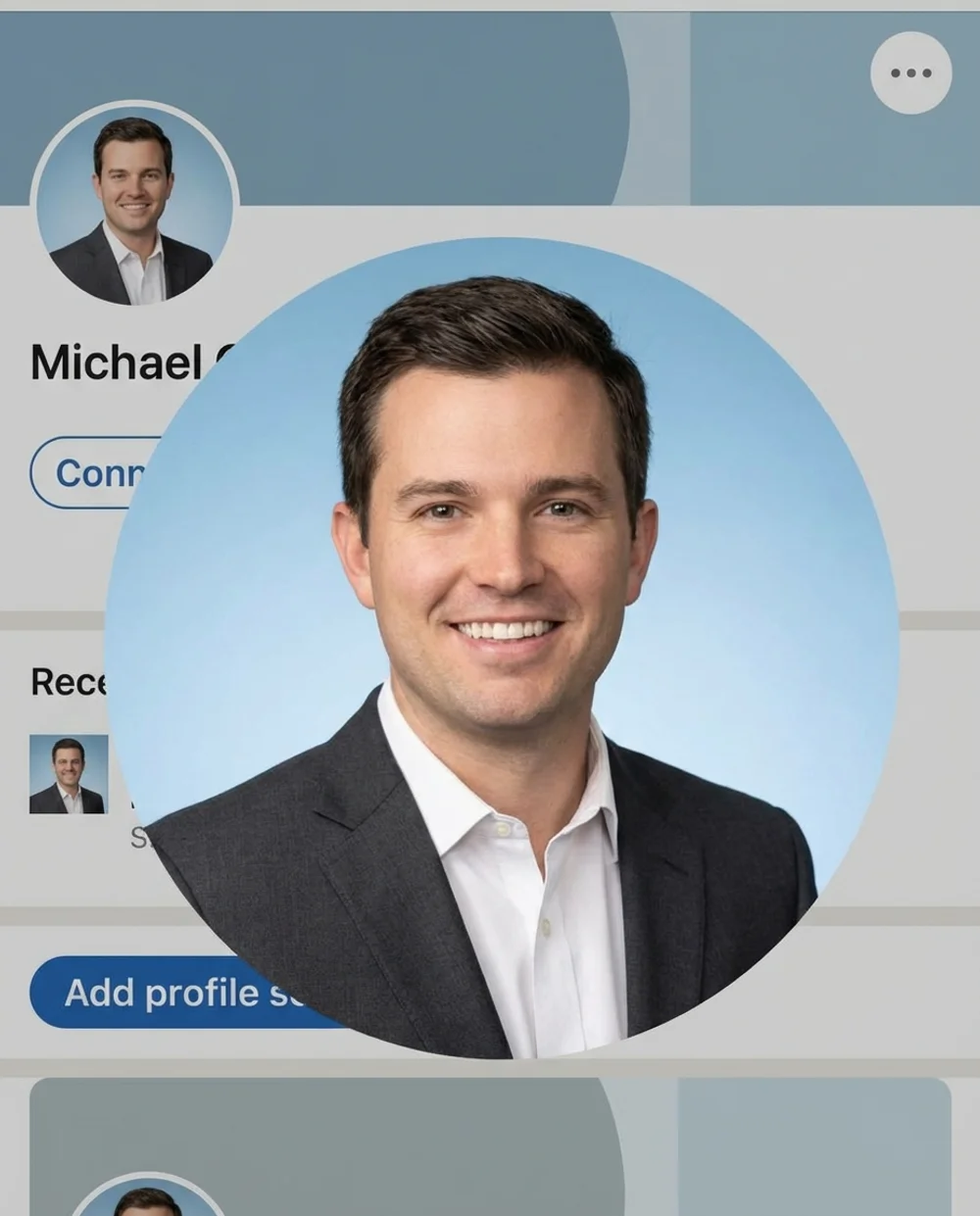
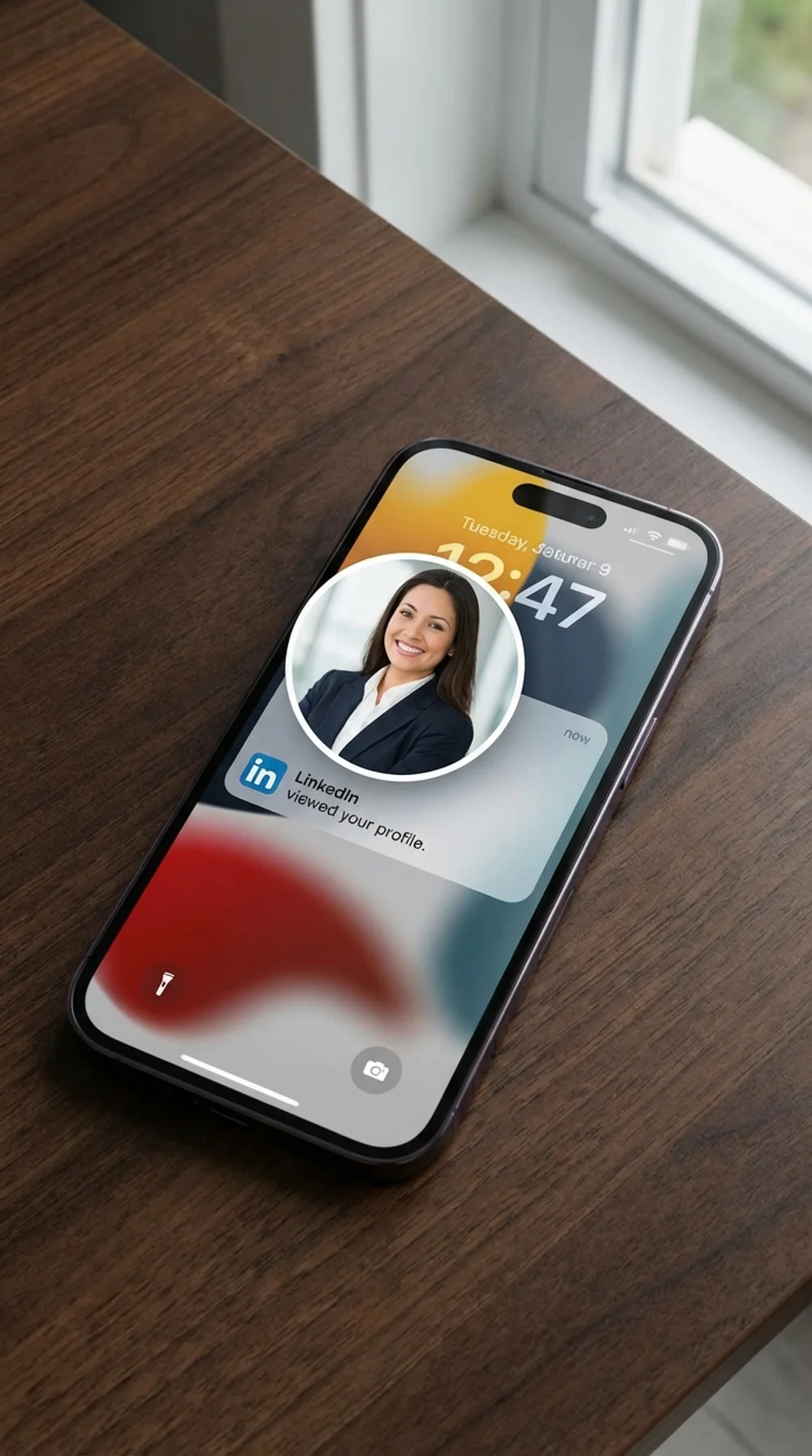
LinkedIn-Specific Considerations
- Think about your audience: Your photo will be seen by recruiters, colleagues, clients, and industry peers — dress for who you want to impress
- Match your target role: If you’re job hunting, dress for the level you’re aiming for, not your current position
- Timeless over trendy: LinkedIn photos should last 3-5 years — avoid anything too fashionable that will date quickly
- Consistency matters: Your outfit should match your headline and positioning (don’t wear a formal suit if you’re positioning as a startup founder)
The safe choice for almost any industry: Business professional or smart casual in navy, charcoal, or burgundy. It’s versatile enough to work for networking, job hunting, and client relationships.
According to LinkedIn, members with profile photos receive 21x more profile views and up to 36x more messages. Your outfit is a key part of that professional impression — take it seriously.
Skip the Photoshoot: Get Professional Headshots in 10 Minutes
Here’s the thing: you don’t actually need to buy new clothes, book a photographer, or stress about any of this. There’s a faster way — and you probably have everything you need in your phone right now.
How to Get Professional Headshots Without Buying Clothes
Upload 10 selfies from your phone
Just regular photos of yourself. No special lighting, no professional camera. The selfies you already have work perfectly.
Pick a style (or try them all)
Navy blazer? Corporate suit? Casual startup look? Choose any style — the AI puts YOU in that outfit. You don't need to own it.
Get your headshots
That's it. Professional photos with YOUR face, studio lighting, perfect outfit — ready in minutes. Download and use on LinkedIn today.
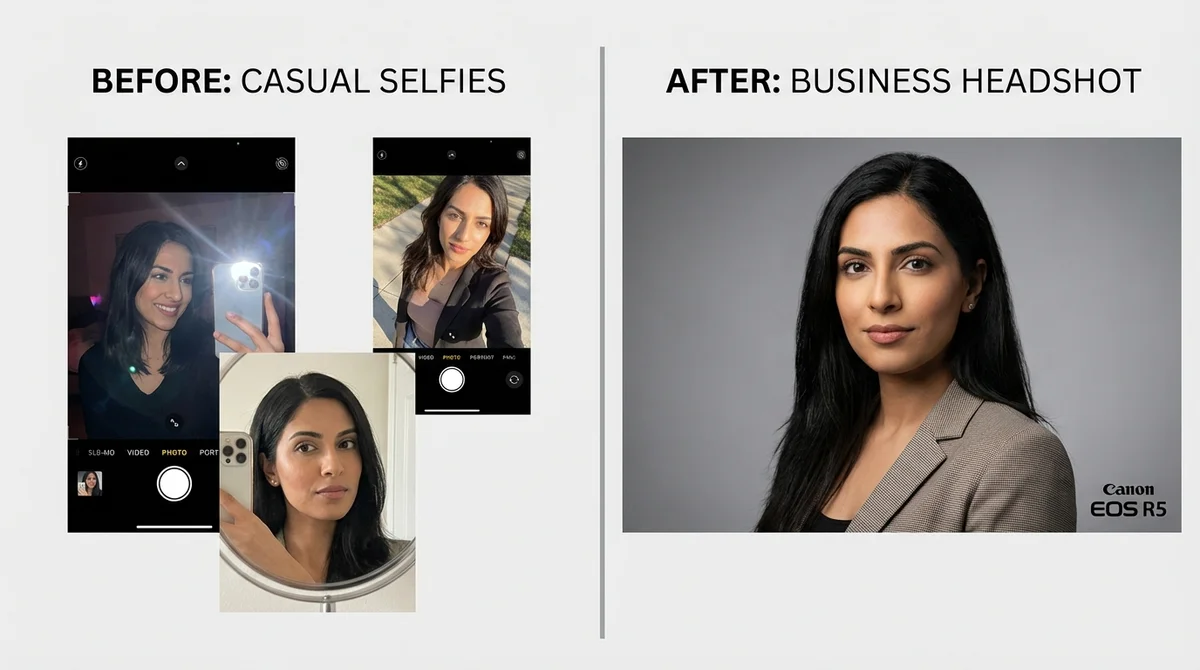
Your everyday selfies become polished professional headshots
Remember all that advice above about colors, necklines, and industry-appropriate styles? With AI headshots, you can try all of them in one session. Not sure if navy or burgundy looks better on you? Generate both. Want a formal option AND a casual one? Get both. It costs the same and takes the same 10 minutes.
What You’re Actually Getting
| Traditional Photoshoot | AI Headshots | |
|---|---|---|
| Your time | 2-4 hours (prep + travel + shoot) | **10 minutes** |
| Cost | $150-500+ | **$29-50** |
| What you need | Perfect outfit, hair, makeup | **10 selfies from your phone** |
| Outfit options | Only what you bring & own | **120+ styles (AI dresses you)** |
| When you get results | 1-2 weeks | **Today** |
| Don't like the result? | Book another session | **Try different style instantly** |
Forget everything you just read about outfits. Upload your selfies in whatever you're wearing — the AI puts you in navy blazers, creative looks, casual styles, all of it. One upload, endless wardrobe.
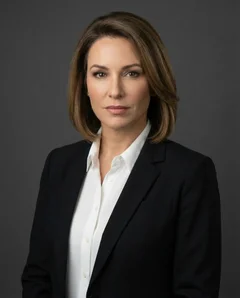 Corporate
 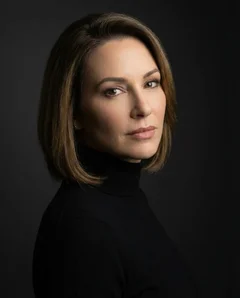 Creative
 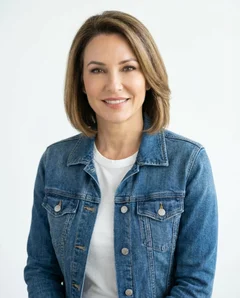 Casual
 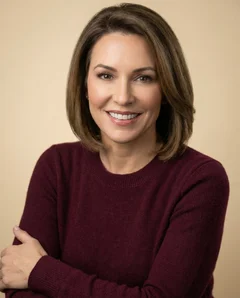 Friendly
  Modern
 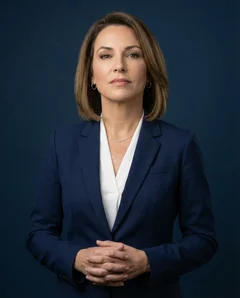 Executive Corporate Creative Casual Friendly Modern Executive Corporate Creative Casual Friendly Modern Executive
 Pre-Shoot Preparation Checklist
Don’t leave anything to chance. Use this checklist to prepare for your headshot session — whether it’s with a photographer or an AI tool.
- Schedule haircut (not the day before — let it settle naturally)
- Choose 2-3 outfit options that follow the guidelines above
- Try on everything and check the fit carefully in the mirror
- Plan any grooming appointments (eyebrows, facial hair, etc.)
- Check that all clothing is clean, pressed, and ready
- Iron or steam all clothing options
- Remove lint and pet hair with a lint roller
- Moisturize skin well (but don't try new products)
- Get good sleep — it shows in photos
- Drink plenty of water — hydration affects skin appearance
- Avoid alcohol — it can cause puffiness
- Shower and style hair as you normally would
- Apply makeup (if wearing) — slightly more defined than everyday
- Wear your second-choice outfit to the shoot (change into your first choice there)
- Bring all outfit options, even if you have a favorite
- Pack touch-up supplies: blotting papers, hairspray, lint roller, safety pins
- Arrive early to settle in and stop rushing
Frequently Asked Questions
-
What color is best for professional headshots?
The best colors for professional headshots are solid, mid-tone colors: navy blue, burgundy, emerald green, and charcoal gray. These photograph well on virtually all skin tones and keep the focus on your face. Navy blue is the most universally flattering and widely recommended choice.
-
Should I wear black for headshots?
Black can work, especially for dramatic or artistic portraits, but it often appears too stark on camera and can absorb light in unflattering ways. Charcoal gray or navy blue give you similar sophistication without the harsh contrast. If you do choose black, consider pairing it with a colored accent piece.
-
Can I wear patterns for headshots?
It's best to avoid busy patterns like stripes, polka dots, plaids, and small checks. These can create a distracting moiré effect on camera — a wavy, shimmering distortion. Solid colors keep the viewer's attention on your face. If you want visual interest, add it through texture (like a knit sweater) rather than printed patterns.
-
What neckline is best for headshots?
V-necks and crew necks work best because they frame your face without distracting from it. Avoid turtlenecks — they can make your neck look shorter and create an unflattering silhouette. For women, also avoid very low necklines that draw attention away from your face.
-
Should men wear a tie for headshots?
It depends entirely on your industry and the image you want to project. For corporate finance, law, or banking, a tie conveys traditional professionalism. For tech, startups, creative fields, or entrepreneurship, going tieless with an open collar looks more modern and approachable. When in doubt, bring both options to your shoot.
-
How much jewelry is too much for headshots?
Keep jewelry minimal and understated. One simple necklace, small earrings, or a classic watch is perfectly fine. Avoid large, dangling, or sparkly pieces that catch light and draw attention away from your face. The goal is for viewers to remember you, not your accessories.
-
What should I definitely avoid wearing?
Avoid: neon or very bright colors, busy patterns (stripes, polka dots, plaids), logos or branded clothing, shiny or sparkly fabrics, turtlenecks, ill-fitting clothes, and anything you'll be constantly tugging at or adjusting. Also avoid pure white, as it can blow out in photos and wash out your face.
-
What are AI headshots and how do they work?
AI headshots let you get professional photos without a photographer. You upload 10-15 regular selfies from your phone, and the AI generates studio-quality headshots with your actual face — but wearing any outfit you choose. The AI creates the clothing, lighting, and background for you. The whole process takes about 10 minutes and costs $29-50 compared to $150-500+ for traditional photography.
-
Do AI headshots have different clothing requirements?
That's the best part — you don't need any specific clothing. The AI generates the outfit for you. Solid colors and classic professional styles (suits, blazers, blouses) render most accurately. Complex patterns may not look as crisp. But since you can try unlimited styles, you can experiment until you find what looks best on you.